Uncovering the Hidden Links Between Loyalty Program Tier Structures and Behavioral Shifts in Frequent Casino App Users
Written by Paul Müller · Jul 19, 2026
Uncovering the Hidden Links Between Loyalty Program Tier Structures and Behavioral Shifts in Frequent Casino App Users
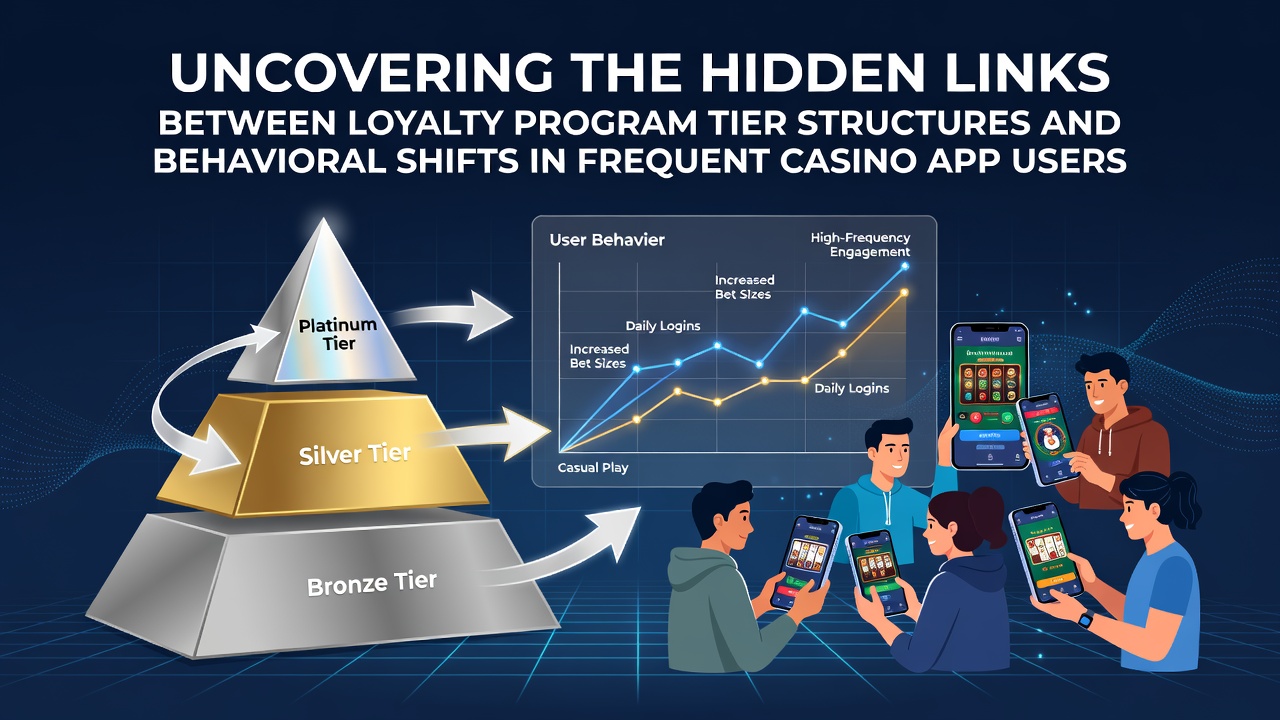
Loyalty programs in casino apps organize users into tiered levels based on accumulated points from wagers and playtime, with each tier unlocking escalating perks such as bonus credits, cashback percentages, and priority access to games or events. These structures operate through algorithms that track metrics like total bets placed and session frequency, then adjust reward delivery accordingly. Frequent users encounter progressive requirements where advancing from entry-level tiers to premium ones demands consistent activity over defined periods, often measured in monthly or quarterly windows.
Mechanics of Tier Progression and Point Allocation
Casino apps calculate points using formulas that convert wager amounts into loyalty credits at rates varying by game type, with table games and slots contributing differently depending on the platform's rules. Entry tiers require minimal thresholds around a few hundred dollars in play, whereas top tiers demand tens of thousands in cumulative activity, which prompts users to extend sessions or increase bet sizes to meet targets before deadlines expire. Data from multiple state-regulated markets shows that once users reach mid-tier status, their average daily login rates rise by measurable margins as they pursue the next reward bracket, and this pattern holds across both automated reel formats and live dealer interactions.
Systems integrate real-time dashboards that display remaining points needed for advancement, which in turn influences decision-making during active play. Users in transitional phases between tiers often allocate resources toward higher-volatility options in attempts to accelerate progress, while those already established at upper levels shift toward steadier games that preserve bankrolls and sustain eligibility. Regulatory filings from the New Jersey Division of Gaming Enforcement indicate steady growth in app-based loyalty participation through mid-2026, with July figures revealing expanded user bases in states where online platforms operate under tiered incentive models.
Documented Shifts in User Activity Patterns
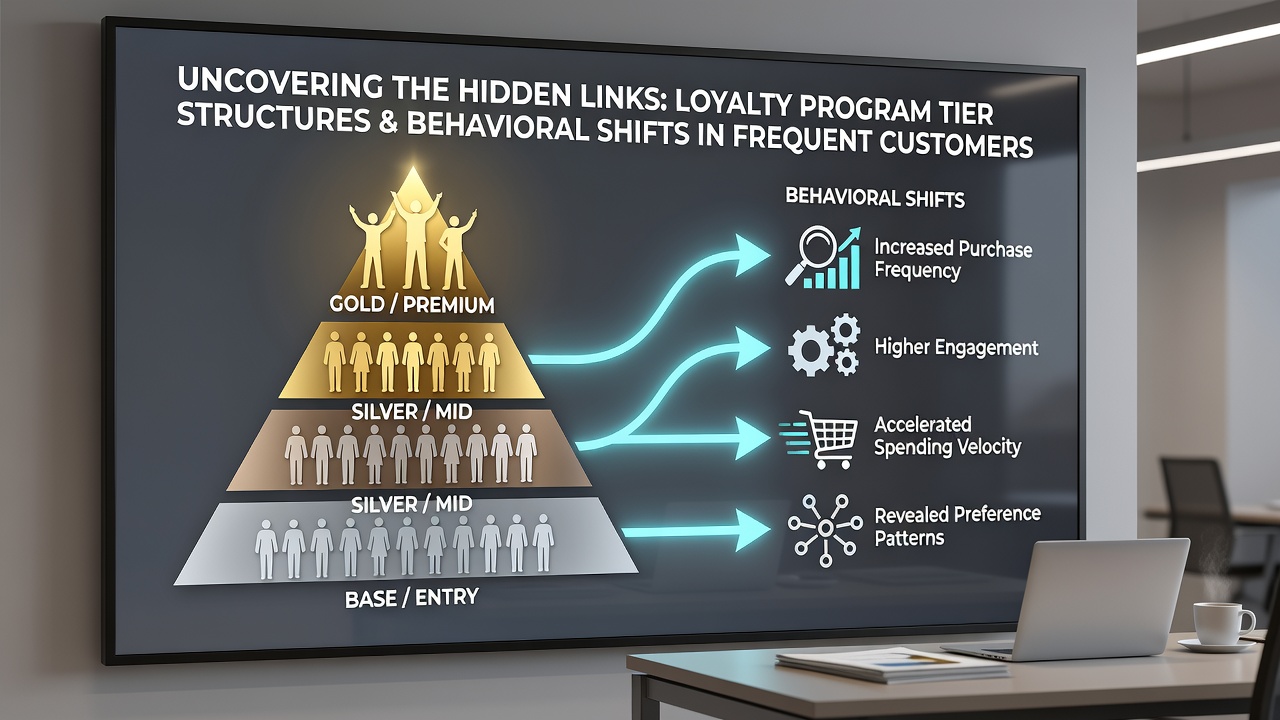
Behavioral adjustments appear most pronounced when users cross into higher tiers, where access to enhanced cashback rates and exclusive tournaments coincides with longer average session durations and elevated wager frequencies. Research compiled by academic groups at institutions tracking gambling trends reveals that tier advancement correlates with a redistribution of play across multiple game categories, as participants seek to optimize point earnings from diverse sources rather than concentrating on single formats. Those who maintain consistent activity across several weeks exhibit reduced churn rates compared to non-tiered accounts, and platforms report that reward cycling mechanisms further reinforce repeat logins by resetting point counters at the start of each tracking period.
Observers note that lower-tier users tend to experiment with new features or promotions more readily, whereas established higher-tier participants focus on maximizing existing benefits through strategic timing of deposits and withdrawals. Payment velocity data tied to loyalty status demonstrates faster settlement patterns among premium users, which aligns with their access to expedited processing channels unavailable at base levels. Industry reports from the Australian Gambling Research Centre highlight similar dynamics in markets with mature app ecosystems, where tier structures produce measurable differences in engagement metrics across demographic segments.
Regional Data and Platform Comparisons
Comparative analyses across jurisdictions illustrate variations in how tier structures translate into behavioral outcomes, with operators in Michigan and Pennsylvania publishing aggregated statistics that link higher tier attainment to increased multi-platform usage. In July 2026 updates from state gaming authorities, figures showed elevated point redemption rates coinciding with expanded live dealer availability, suggesting that users adjust their schedules around reward availability windows. Platforms employing adaptive algorithms that personalize tier requirements based on historical patterns achieve tighter correlations between advancement and sustained activity, whereas standardized systems produce more uniform but less pronounced shifts.
External examinations of reward allocation frameworks indicate that cashback percentages scaling with tier level contribute to longer endurance in both automated and interactive sessions, particularly when paired with rapid settlement options. Those monitoring user flows across hybrid formats find that tiered incentives encourage cross-game exploration, as participants chase category-specific multipliers that accelerate progress toward the next bracket. Evidence from longitudinal tracking studies supports the observation that users who receive tier-specific communications exhibit higher retention through subsequent cycles compared to those outside such programs.
Conclusion
The connections between loyalty tier designs and user behavior manifest through structured point systems that reward volume and consistency while prompting adjustments in session length, game selection, and risk allocation. Data compiled across regulated markets continues to map these relationships through ongoing reporting, with patterns emerging most clearly when platforms release quarterly or seasonal summaries. As casino apps refine their tier mechanics, the resulting behavioral responses remain tied to the specific thresholds and benefits embedded in each program structure.